How Sleep, Stress, and Skin Are Connected in Eczema (And What You Can Do About It)

Why Does Eczema Feel Worse at Night?
You finally get into bed… and the itching begins.
If your eczema seems more intense at night, you’re not imagining it. Many people with eczema-prone skin experience increased discomfort, disrupted sleep, and heightened sensitivity after dark.
This isn’t just frustrating—it’s part of a larger connection between eczema, sleep, and stress.
The Eczema–Sleep–Stress Cycle Explained
Eczema is more than a surface-level skin condition. It often follows a cycle:
-
Itching disrupts sleep
-
Poor sleep increases stress levels
-
Stress can heighten skin sensitivity
-
Skin discomfort becomes more noticeable
This cycle can repeat night after night, making eczema feel harder to manage over time.
How Stress Affects Eczema-Prone Skin
Stress can influence how your skin feels and responds.
During periods of stress:
-
Skin may feel more sensitive
-
The barrier may become more vulnerable
-
Flare-ups can feel more noticeable
This is why eczema symptoms may appear more intense during busy or emotionally demanding periods.
Why Sleep Matters for Skin Recovery
Sleep plays an important role in supporting your body’s natural recovery processes.
For eczema-prone skin, this includes:
-
Supporting the skin barrier
-
Maintaining hydration balance
-
Improving overall comfort
When sleep is disrupted, your skin may not get the time it needs to stabilise—contributing to ongoing discomfort.
How to Support Eczema-Prone Skin at Night
Creating a simple, consistent night-time routine can make a meaningful difference.
1. Create a Calming Pre-Sleep Routine
-
Reduce screen time
-
Keep lighting soft
-
Wear breathable fabrics
A calm environment can help support both sleep and skin comfort.
2. Focus on Consistency
Switching between products too frequently can make it harder for your skin to adjust.
A consistent routine helps support stability over time.
3. Support Your Skin Overnight
Night-time is when your skin can benefit most from consistent care.
A gentle, layered approach can help maintain hydration and support comfort while you sleep.
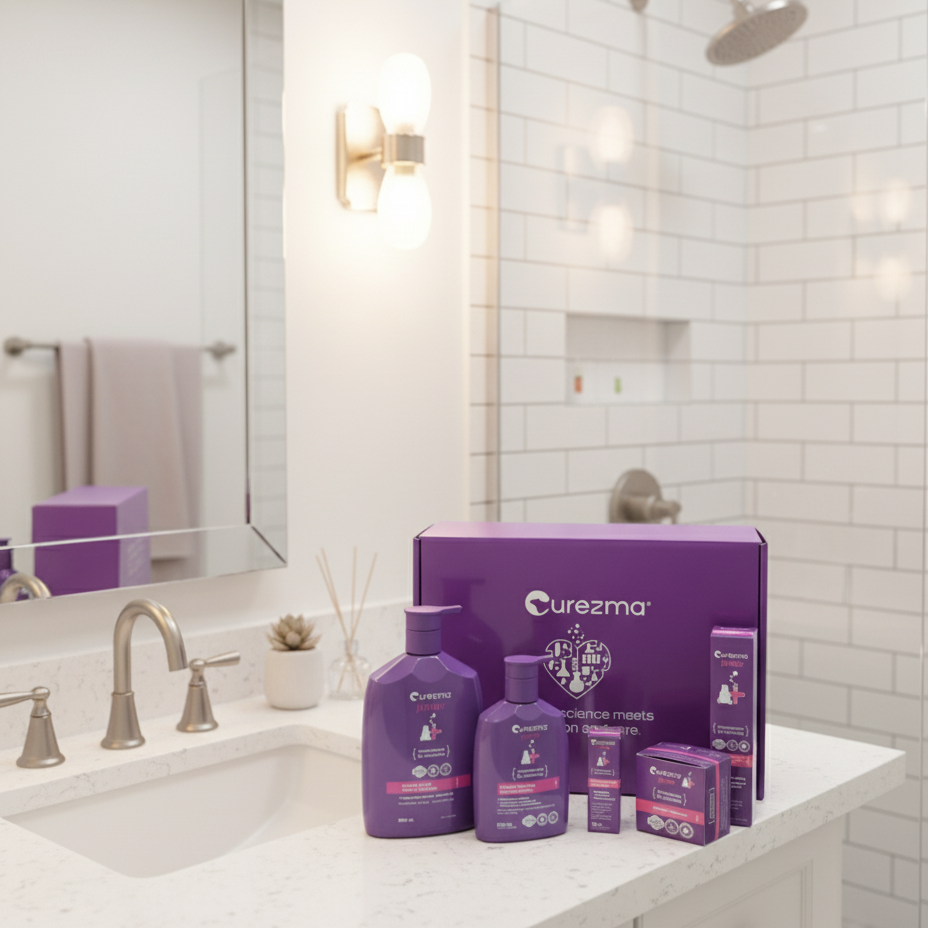
For example, some people use a lightweight layer such as the Curezma Barrier Repair Serum (https://curezma.com/products/curezma-barrier-repair-serum ) to help support hydration and the skin barrier, followed by a more protective layer like the Curezma Ointment Gel (https://curezma.com/products/curezma-intensive-ointment ) to help lock in moisture and support overnight comfort.
This approach can be helpful in maintaining hydration and reducing the urge to scratch during the night.
4. Optimise Your Sleep Environment
-
Keep your room cool
-
Avoid heavy bedding
-
Maintain comfortable humidity levels
Environmental factors can significantly impact how your skin feels at night.
5. Take a Gentle, Long-Term Approach
Eczema care is rarely about quick fixes.
Focusing on gradual, consistent care can help support more stable, comfortable skin over time.
Breaking the Cycle: A More Supportive Approach
Managing eczema involves more than just topical care.
It’s about supporting the connection between:
-
Skin
-
Sleep
-
Stress
When these work together, it becomes easier to maintain comfort and consistency.
Final Thoughts
If your eczema feels worse at night, you’re not alone.
Understanding the connection between sleep, stress, and skin can help you take a more supportive and consistent approach to care.
Small, steady steps can make a meaningful difference over time.
Explore a Consistent Routine
If you’re looking to build a simple, supportive routine, explore Curezma’s range (https://curezma.com/products/complete-eczema-regime-for-adults ) designed for eczema-prone skin and everyday comfort.