


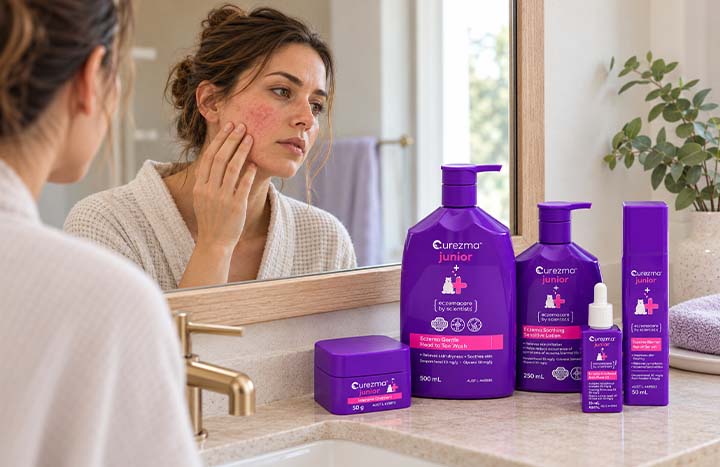


 What Could Be Causing Your Facial Eczema and How Can You Manage It?
Back to News
Foods That Trigger Eczema: What the Evidence Says and What to Do About It

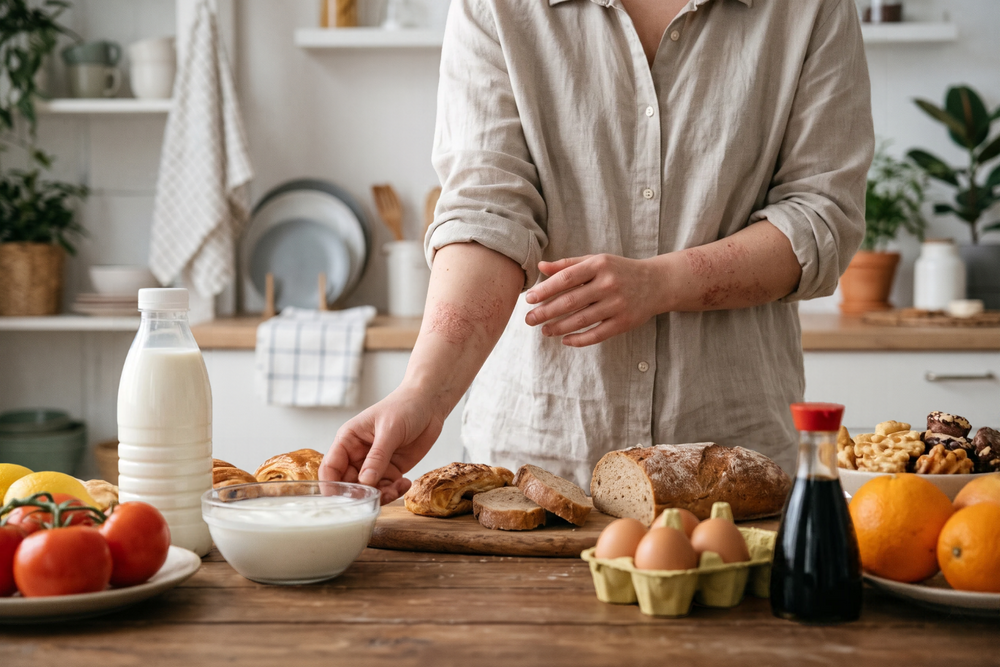
Have you ever felt that your eczema gets worse after eating something? You have your usual meals and suddenly notice your skin becoming itchier and more irritated than usual. It’s easy to start wondering if a particular food is causing the flare-up. Eczema is also known as atopic dermatitis.
Foods that trigger eczema flares do exist for some people, but that doesn't mean everyone with eczema needs to avoid certain foods. Triggers can vary from person to person, and eliminating foods without understanding their effects may not be helpful. It's worth paying attention to how your body responds and understanding what works for you before making any changes to your diet.
But how do you know if a particular food is actually making your eczema worse? Explore foods commonly linked to eczema flares, including dairy, eggs, sugar and histamine, and learn how to identify personal triggers without unnecessary food restrictions.
The short answer
Foods commonly linked to eczema flares include cow’s milk, eggs, wheat, soy, peanuts, tree nuts, fish, shellfish and sesame. These are common food allergens that may trigger symptoms in some people with eczema, particularly those with a food allergy. However, not everyone with eczema reacts to these foods, so avoiding them all is not necessary.
Some people notice their symptoms getting worse after eating certain foods especially if they have a food allergy. But that doesn’t mean food is the reason behind every flare-up.
It’s also not a good idea to stop eating certain foods just because you have eczema. First, it’s important to understand whether that food is actually causing a reaction or if something else is making your skin worse.
Can food cause eczema, or only make it worse?
Food is not usually the main reason someone develops eczema. Eczema is linked to several factors including genetics and problems with the skin barrier. However, certain foods can make symptoms worse in some people, especially those who also have a food allergy.
It’s important to understand that having eczema doesn’t automatically mean you have a food allergy. The two conditions can be linked, but they are not the same thing.
For example, someone may notice more itching or a flare-up after eating a food they are allergic to. But that doesn’t mean the same food will affect everyone with eczema.
The foods most often linked to eczema flares
Common food allergens
Certain foods are more commonly discussed when it comes to eczema, especially in people who also have food allergies. Below are some of the food with the common food allergens:
- Milk
- Eggs
- Wheat
- Soy
- Peanuts
- Tree nuts
- Fish
- Shellfish
- Sesame
Many food allergies are IgE-mediated, which means the immune system reacts to a particular food protein.
However, these foods don’t trigger eczema in everyone. Some people may be sensitive or allergic to one of them while others can eat the same foods without experiencing any skin problems.
Food allergies are more common in infants with eczema, particularly those with moderate to severe symptoms. Some children outgrow allergies to cow's milk and eggs as they get older. Food-related eczema flares are less commonly reported in adults, although individual experiences can vary.
Source: ASCIA – Eczema and Food Allergy
People often ask whether dairy or gluten is worse. There is no single answer. Cow's milk and eggs are recognised food allergens, particularly in children with a confirmed allergy. Wheat is also a recognised allergen, while gluten avoidance is only necessary for people with diagnosed coeliac disease or other relevant medical conditions. Individual eczema triggers can vary.
Delayed reactions that are easy to miss
Not every reaction happens immediately after eating something. Sometimes skin symptoms may show up later which makes it harder to connect them to a particular food. This can leave you guessing whether the food you ate had anything to do with the flare-up. Some food reactions are not IgE-mediated and may take longer to appear.
Instead of cutting out foods, try keeping a food and skin diary. Note down what you ate and when you noticed any changes in your skin. This can help you see the patterns and discuss them with your doctor.
Foods that irritate skin on contact
Have you noticed redness around a child's mouth after they've eaten tomatoes or oranges? Sometimes, it's not what they eat but the food touching their skin that causes irritation. This is quite common in babies and young children, especially if their skin is already sensitive.
It doesn't always mean they have a food allergy. In many cases, gently wiping the food off their skin after meals is enough to avoid irritation.
Does Sugar Affect Eczema? Can It Make Symptoms Worse?
Sugar is something people wonder about when it comes to eczema. You may have heard that eating too many sweets or sugary foods can make your skin worse. But there’s no strong evidence that sugar causes eczema or triggers flares.
Research on sugar and eczema has shown mixed findings. In a 2001 study by Ehlers and colleagues, researchers found no significant worsening of eczema after participants consumed sugar compared with a placebo. It was a small, double-blind trial of 30 patients. However, a 2025 study using data from the ALSPAC birth cohort found an association between higher sugar intake and eczema at age 13. In that study of more than 5,000 children, a 10% higher share of calories from sugar was linked to 22% higher odds of eczema at 13, and the link was with added sugars rather than the sugars naturally in milk and fruit. No link was found at ages 1, 3, 5 or 7. This doesn't prove that sugar directly causes eczema, but it shows why more research is needed.
So, does sugar make eczema worse? There is currently no strong evidence that sugar directly triggers eczema flares in most people. You don't need to cut out sugar completely because you have eczema. Instead, focus on a balanced diet, continue your regular eczema care and pay attention to any patterns you notice. If you suspect a food trigger, speak with a healthcare professional before making major dietary changes.
Histamine, additives and other "maybe" triggers
You may have heard that foods like aged cheese, fermented foods, processed meats and wine make eczema worse because they contain histamine. Others feel that food colours and preservatives affect their skin.
But there is not enough proof to say that these foods make eczema worse. Some people notice a difference and others have no reaction at all.
If you also have irritable bowel syndrome (IBS), be careful with overlapping restrictive diets such as low FODMAP, low histamine and dairy-free. Together they can remove so many foods that nutrition suffers, so it is worth getting guidance from an accredited practising dietitian.
Foods not good for eczema in babies (and what breastfeeding mums should know)
Breastfeeding mums may even think about removing milk, eggs or nuts from their own diet if they found their baby has eczema.
Having eczema doesn't mean a baby has a food allergy. If you think a particular food is causing a reaction, it's better to speak to a doctor before making any changes to your or your baby's diet.
Current ASCIA advice is to introduce common allergy-causing foods during the first year of life, including to babies with eczema. If your baby’s eczema is moderate to severe, talk to your doctor before introducing them.
Breastfeeding mums generally do not need to avoid foods unless a doctor or dietitian has identified a specific problem. Cutting out common allergens without a confirmed reason may mean your baby misses early exposure to them, and some evidence suggests this may raise the risk of food allergy later.
If your baby develops hives, vomiting or swelling soon after eating a particular food, stop feeding them that food and seek medical advice. Swelling of the face or tongue, difficulty breathing, or becoming pale and floppy may indicate a severe allergic reaction. Call emergency services immediately if these symptoms occur.
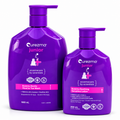
For parents exploring eczema care options, discover the Curezma Baby and Kids collection.
Why cutting out foods doesn't work for everyone
Cutting out food doesn’t always help. When eczema gets worse, people start blaming food and start removing things from their diet. Some people even stop eating dairy, eggs or wheat without knowing if these products are causing problems.
Eczema can get worse for many reasons and food is a possible factor. Removing too many foods can also mean missing important nutrients, which matters most for children who are still growing.
A 2022 systematic review and meta-analysis published in the Journal of Allergy and Clinical Immunology: In Practice looked at whether removing certain foods could improve eczema. It found that dietary changes may offer only a small benefit for some people, and the evidence was not strong enough to recommend food restrictions for everyone. The review pooled ten randomised trials with 599 people, mostly young children, and found low-certainty evidence that elimination diets may slightly improve eczema severity (about 50% improved by a meaningful amount, compared with 41% without elimination). The authors also warned that indiscriminate elimination diets may increase the risk of developing an IgE-mediated food allergy and delay more effective treatment.
An earlier Cochrane review of dietary exclusions (2008) found no clear benefit from egg-free or milk-free diets in people with eczema who had not been tested for allergy. The one encouraging result was an egg-free diet in infants with a suspected egg allergy and a positive IgE test.
How to find your own triggers safely
If you feel certain foods are making your eczema worse then don’t start removing everything from your meals. Start by keeping a food diary like writing down your meals and when you notice the change in your skin. Keep it up for two to four weeks and note other possible triggers too, such as heat, sweat, new products, stress and illness. If you notice the same pattern more than once, discuss it with your GP and they may refer you to an allergist or immunologist.
In Australia, ASCIA (Australasian Society of Clinical Immunology and Allergy) provides useful information about food allergies, testing and diagnosis.
For example, someone who suspects dairy is triggering their eczema might keep a food and skin diary to track what they eat and when symptoms appear. Rather than immediately removing dairy, they can discuss their observations with a healthcare professional. If an elimination diet is recommended, the food can be removed for a medically advised period and then reintroduced under appropriate guidance to check whether symptoms return. Sometimes, no clear connection is found.
Reading about other people’s experiences with eczema can also help you feel less alone. You can explore our Curezma Community Stories here.
Foods for eczema: what to eat instead
There’s no particular diet that works for everyone with eczema. You don’t need to follow a strict food plan or avoid all common allergens just because you have sensitive skin.
Try to include a good mix of foods in your daily meals, such as:
- Fruits and vegetables: Include them to get vitamins and nutrients
- Healthy fats: Foods like avocado, olive oil and oily fish can be part of a balanced diet.
- Protein: Include foods such as lentils, beans, eggs, fish or other protein sources.
- Whole grains: Oats, brown rice and wholegrain bread can help make meals more balanced.
If you have had to avoid a food group because of a confirmed allergy, an accredited practising dietitian can help you replace the nutrients so you do not end up with gaps.
Food is one piece: looking after the skin barrier
It's easy to focus only on food when you're trying to manage eczema, but your skin needs regular care too.
Eczema affects the skin barrier, making it harder for the skin to hold on to moisture. This can leave it dry, itchy and more sensitive.
A few simple habits can help:
- Apply a suitable moisturiser regularly, even when your skin looks better.
- Use gentle, soap-free cleansers instead of harsh soaps.
- Avoid very hot showers, as they can make dryness worse.
- Follow your prescribed eczema treatment during flare-ups.
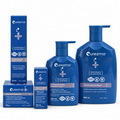
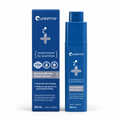
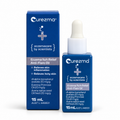
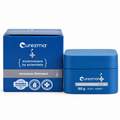
Your GP may recommend a topical corticosteroid for flare-ups. Alongside that, many people build a consistent daily skin care routine. Curezma’s range is formulated without corticosteroids and designed for eczema-prone skin. However, these products shouldn't replace any treatment prescribed by your doctor.
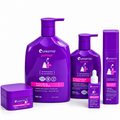
If you’re looking for a simple skincare routine, you can explore our Complete Eczema Regime for Adults and Complete Eczema Regime for Kids and you can also learn more about the research behind Curezma products on our clinical trials.
Frequently asked questions
What foods cause eczema?
Food doesn’t cause eczema, but some foods can make it worse for certain people. These may include milk, eggs, wheat, soy, peanuts, tree nuts, fish, shellfish and sesame. It depends on the person.
Which foods are not good for eczema?
There isn’t a fixed list of foods that everyone with eczema should avoid. If you’re allergic to a particular food you should avoid it.
Is sugar good or bad for eczema?
Sugar doesn’t directly cause eczema, and there isn’t enough proof that it makes flare-ups worse. Some research has found a possible link between added sugar and eczema in teenagers, but more research is needed.
Should I do an elimination diet?
You shouldn’t start an elimination diet on your own. It’s better to speak to a doctor or dietitian first. Cutting out too many foods can mean missing out on important nutrients.
Can diet get rid of eczema?
No, changing your diet won’t cure eczema. Eating well may help your overall health but regular care, avoiding things that irritate your skin and proper treatment are also important.
This article is for general informational purposes only and is not a substitute for professional medical advice. For advice specific to you or your child, speak with your GP, allergist or accredited practising dietitian.
Sources: Dietary sugar and atopic dermatitis in a longitudinal birth cohort (JID Innovations, 2025); Sugar is not an aggravating factor in atopic dermatitis (Acta Dermato-Venereologica, 2001); Dietary elimination for the treatment of atopic dermatitis: a systematic review and meta-analysis (Journal of Allergy and Clinical Immunology: In Practice, 2022); Dietary exclusions for established atopic eczema (Cochrane Database of Systematic Reviews, 2008).
What Could Be Causing Your Facial Eczema and How Can You Manage It?
 Why Does Eczema Cream Sting or Burn? And What to Do About It
 Serums for Eczema-Prone Skin: Do You Need One and What to Look For?